
Dry Needling in Bayswater
Muscle so tight it feels like a knot that won’t let go no matter how much you stretch it? Dry needling gets into that exact spot directly, something stretching and massage alone often can’t manage. It’s one of the tools we use at our physiotherapy in Bayswater clinic, Back to Ease Physiotherapy, worked into your broader treatment plan rather than handed out as a quick fix on its own.
We use dry needling most often for tight shoulders, stubborn trigger points and muscles that just won’t loosen up on their own, whether that’s from training, desk work or an old injury still hanging around. No GP referral needed, you can book straight in as a private patient and we’ll work out whether dry needling is actually the right tool for what’s going on with you.
Sam explains it well: dry needling isn’t about sticking a needle in and hoping. It’s precise, it’s guided by what we find on assessment, and it works best paired with the right exercises rather than used on its own.
Tired of that one spot that never seems to let go?
What Is Dry Needling?
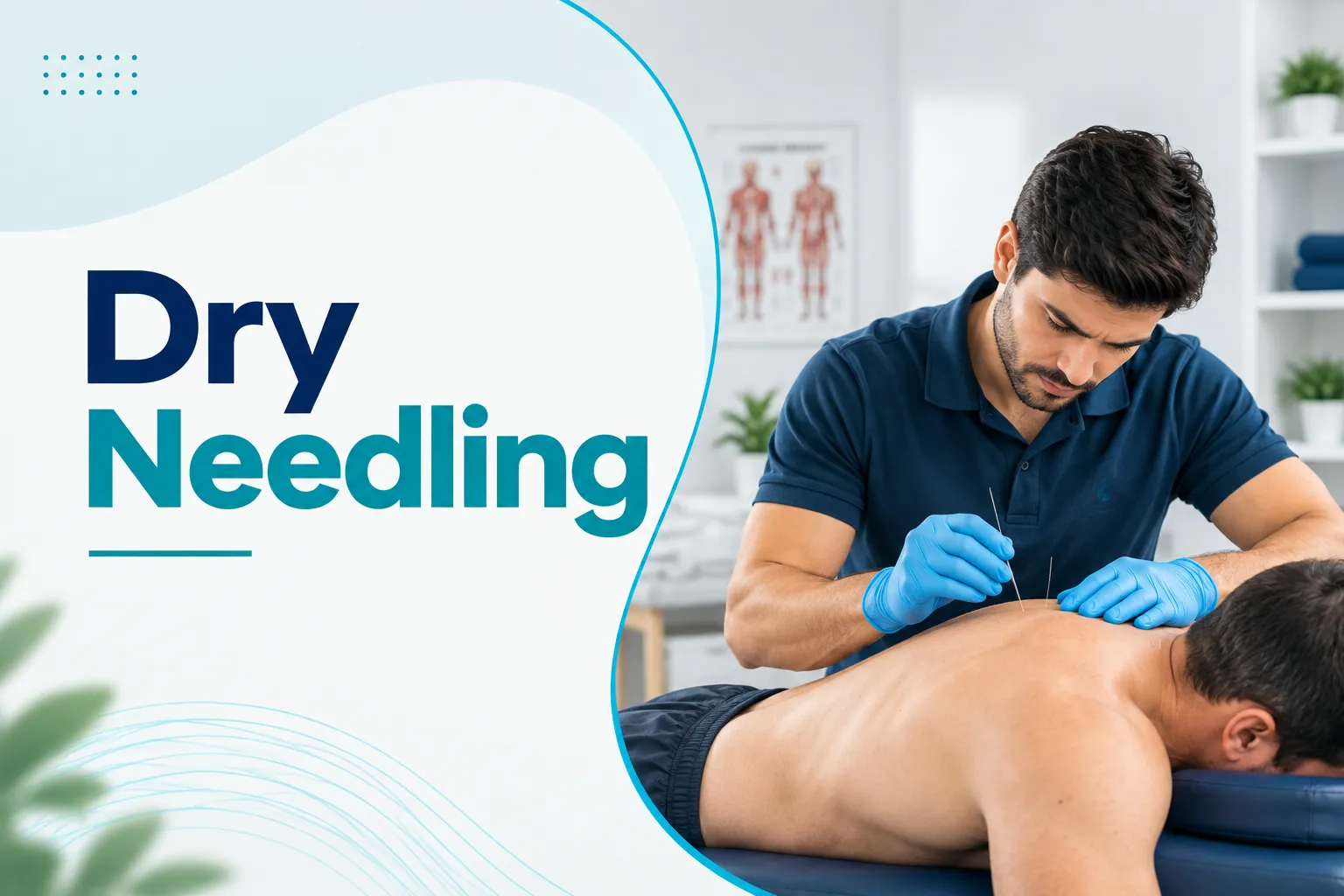
Dry needling is a hands-on technique where a thin, sterile needle is inserted directly into a tight band of muscle, often called a trigger point. It’s not acupuncture, and it isn’t based on the same principles. The aim here is purely mechanical, releasing muscle tension, improving blood flow to the area and calming an overactive nerve response that’s been keeping the muscle locked up.
Most people feel a brief twitch or a dull ache when the needle hits the right spot, then a noticeable release soon after. It’s not painless, but it’s usually far more tolerable than people expect, and the relief that follows tends to make it worthwhile.
We rarely use dry needling by itself. It’s usually one part of a session that also includes hands-on treatment and specific exercises, since needling alone doesn’t fix why the muscle got that tight in the first place.
Conditions and Issues Dry Needling Helps With


Signs Dry Needling Might Help You
Worth asking about at your next appointment if you’re noticing:
- A muscle knot that hasn’t budged despite stretching or foam rolling
- Tightness that keeps returning to the same spot
- Reduced range of motion that hands-on treatment alone hasn’t fully resolved
- Muscle tension linked to headaches or jaw tightness
- A training injury that’s left one area chronically tight
Sam finds it’s often the patients who’ve tried everything else, stretching, massage, heat packs, who get the most out of dry needling once it’s added into the plan.
Not sure if needling is the missing piece?
How We Approach Dry Needling at Back to Ease
1. A proper assessment first.
We don't reach for a needle before understanding what's actually causing the tightness. Dry needling is only used where it's genuinely going to help.
2. Precise, targeted placement.
Once we've found the trigger point or tight band of muscle, the needle goes exactly where it needs to, not a general area nearby.
3. Paired with hands-on treatment.
Needling is usually combined with joint mobilisation or soft tissue work in the same session, so the release actually lasts.
4. Aftercare and exercise.
You'll leave with clear guidance on what to expect over the next day or two, plus exercises to keep the muscle from tightening straight back up.
Why Choose Back to Ease for Dry Needling in Bayswater
Performed as part of a full assessment, never used as a stand-alone quick fix
Combined with hands-on treatment and exercise for results that actually last
Experience using dry needling for neck pain, back pain, headaches and sports injuries
Two clinics to choose from, Bayswater and Doveton
All major private health funds accepted, with on-the-spot claiming
Ready to deal with the knot properly instead of working around it?
What to Expect During and After Your Session
You might feel a brief twitch or cramp-like sensation when the needle finds the right spot, followed by a noticeable easing of tension. Mild soreness for a day or so afterward is common, a bit like how a deep massage can leave you feeling. Most people find it settles quickly and the muscle feels looser than it has in weeks.
Sam usually tells first-timers not to judge the whole treatment on how the needle feels going in. It’s what happens to the muscle afterward that actually matters.
Trusted by Patients Across Bayswater and Knox
We see dry needling requested most from patients already managing something else, tight shoulders alongside neck pain, a stubborn lower back that just won’t fully let go, or a sports injury that’s left one muscle guarding for months. Rather than treat dry needling as its own separate service, we fold it into whatever plan is already working for you.
Check our locations to find the clinic closest to you, whether you’re in Bayswater or across the wider Knox area.
Frequently Asked Questions
Does dry needling hurt?
Most people feel a brief twitch or dull ache when the needle reaches the right spot, then relief soon after. It’s generally well tolerated, and we always check in with you throughout the session.
Is dry needling the same as acupuncture?
No. Both use thin needles, but the similarity ends there. Dry needling targets tight muscle bands and trigger points directly, based on musculoskeletal assessment rather than traditional acupuncture principles.
How many sessions will I need?
Depends on how long the tightness has been building and what else is going on. Some people feel a difference after one session, others need it built into a few visits alongside other treatment.
Are there any side effects?
Mild soreness or bruising around the treated area is common and usually settles within a day or two. Serious side effects are rare when performed by a trained physiotherapist.