
Lower back pain usually eases with physiotherapy in a few weeks, but the honest answer is that it depends on the cause. A basic muscle strain often clears within two to six weeks. Disc trouble or pain you have carried for months takes longer. And how you stick to the plan tends to matter more …

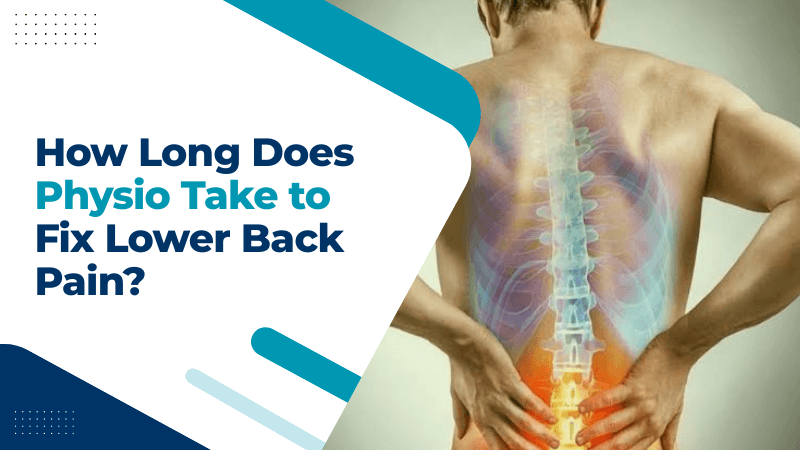
Lower back pain usually eases with physiotherapy in a few weeks, but the honest answer is that it depends on the cause. A basic muscle strain often clears within two to six weeks. Disc trouble or pain you have carried for months takes longer. And how you stick to the plan tends to matter more than the diagnosis on paper.
According to the physiotherapy team at Back to Ease Physiotherapy, “There’s no single timeline that fits everyone. Recovery from lower back pain comes down to the cause, your activity level, and whether you stick to the treatment plan.”
What affects how long recovery takes?
No two backs heal the same way. Cause is the big one, a pulled muscle settles far quicker than anything involving a disc or nerve. After that, it comes down to how bad the pain is, plus the basics like fitness, age and posture.
- Cause of pain: a muscle strain heals far faster than disc or nerve involvement, which needs more time
- Severity: mild stiffness clears sooner, while sharp, movement-limiting pain takes longer to settle
- Consistency: skip the prescribed exercises and progress stalls, no matter how good the plan is
- Overall health: fitness, age and posture each nudge the timeline up or down
Any one of these can move the timeline by weeks. So before guessing, an early spine assessment will tell you far more than any rule of thumb.
What does a typical recovery look like?
Recovery happens in stages, not one sudden fix. The first job is calming the pain and getting you moving with some comfort again. Once that settles, attention turns to strength, because a stronger back is far less likely to flare up later.
- First weeks: the focus is easing pain and restoring gentle, controlled movement without strain
- Mid-stage: targeted work begins to rebuild core and lower back strength steadily
- Later stage: retraining shifts toward lifting, daily tasks and a safe return to sport
- Maintenance: simple habits and check-ins keep the pain from creeping back in
Many people feel a shift within the first two or three sessions, which helps with confidence early on. The lasting change, though, comes from finishing the full recovery plan instead of stopping the moment the ache lifts.
Why choose Back to Ease Physiotherapy?
At Back to Ease Physiotherapy, lower back pain is treated at its source rather than masked on the surface. The team blends hands-on manual therapy with practical, evidence-based plans shaped around each patient. Years of clinical experience across musculoskeletal and post-surgical care sit behind every session, with one aim throughout, getting you back to what you love with ease.
📞 Call +61 421 875 603 to book your appointment today.
Frequently Asked Questions
How many physio sessions are needed for lower back pain?
Most cases need six to eight sessions, though this varies with severity.
Can physio fix lower back pain permanently?
Physio can resolve pain and lower recurrence risk with ongoing strength work.
How soon will I feel relief after starting physio?
Many people notice some easing within the first two to three sessions.
Do I need a referral for lower back physio?
No, you can book directly without a GP referral.
References:
- NHS – Back Pain: https://www.nhs.uk/conditions/back-pain/
- Musculoskeletal Matters (NHS) – Low Back Pain: https://www.mskdorset.nhs.uk/back-pain_1/back-pain-low-back-pain/
Disclaimer
This blog is for educational purposes only and is not a substitute for professional advice. Please consult a certified physiotherapist for diagnosis and treatment specific to your condition.
Book a Consultation
It’s easy and free!