

Most sprained ankles heal faster with the right mix of rest and early movement, not one or the other. Skipping the RICE basics, rest, ice, compression, elevation, in the first two days usually slows things down later. Once swelling settles, gentle movement and light weight bearing speed recovery more than most people expect. Ice it …

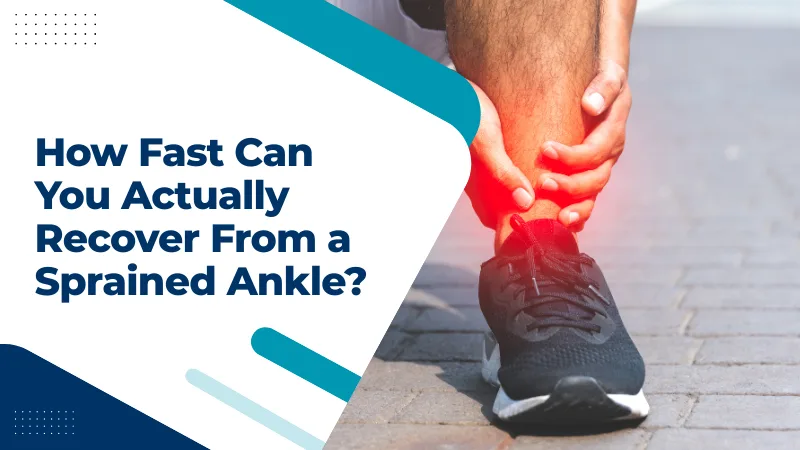
Most sprained ankles heal faster with the right mix of rest and early movement, not one or the other. Skipping the RICE basics, rest, ice, compression, elevation, in the first two days usually slows things down later. Once swelling settles, gentle movement and light weight bearing speed recovery more than most people expect. Ice it too long and you risk stiffness setting in instead.
According to the physiotherapy team at Back to Ease in Bayswater, “A sprain that isn’t rehabbed properly rarely heals on its own terms. The ankle might feel fine, but the stability underneath often isn’t, and that’s usually when it rolls again.”
What's the Right First Move After Spraining Your Ankle?
The first two to three days after a sprain matter more than most people realise, since how you manage this window largely determines how smoothly the rest of your recovery goes. Get the basics right early, and everything that follows tends to fall into place.
- Rest, but don’t overdo it: Stay off it at first. Not for weeks though, that just stiffens things up more.
- Ice regularly: Fifteen minutes, a few times a day, for the first 48 hours. Swelling drops, pain eases. Simple as that.
- Compression and elevation: A snug wrap, ankle up above heart level. Fluid has nowhere to pool this way.
- Watch for red flags: Can’t bear weight at all, or the swelling looks severe. That’s worth a same-day check, not a wait-and-see.
Getting this early phase right sets up a faster, smoother recovery. Our ankle injury treatment approach starts by assessing the grade of the sprain before deciding on next steps.
How Does Physio Speed Up Ankle Sprain Recovery?
Rest only does part of the job. Funny how people obsess over rest and skip the strength work entirely. Strength and balance are what actually get you walking properly again.
- Range of motion work: Once the sharp pain eases, gentle circles and light stretching bring movement back.
- Balance and proprioception training: Stand on one leg. Or use a wobble board. Either way, you’re retraining how the ankle reads its position. Skip this step and rolling it again gets a lot more likely.
- Strengthening exercises: Resistance bands, done consistently, rebuild the muscles around the joint. Weak muscles are usually the real reason ankles keep giving out.
- Gradual return to activity: Walking first. Then jogging. Then cutting and pivoting, once the basics hold up. Rushing this step is how sprains become chronic.
Recovery timelines vary depending on the injury, and calf strains follow a similar pattern of rest then rebuild. Our guide on calf injury recovery breaks down what that staged approach looks like.
Why choose Back to Ease Physiotherapy?
Back to Ease has years of hands-on experience treating sports injuries and ligament sprains, with the team trained across musculoskeletal and manual therapy. Every sprain gets graded properly first, then the plan is built around what that specific ankle needs, not a generic template. Recovery speed differs from person to person, so the plan moves with it. Back to Ease Physiotherapy sees weekend joggers and competitive athletes alike, all working toward getting back on their feet, and for ankle sprains specifically, that means spotting instability early, before it becomes a repeat visitor. Ankle sprains rehabbed properly heal faster and are far less likely to come back, and most patients regain full movement and confidence walking on it within a few weeks of steady care.
Frequently Asked Questions
What causes tension headaches?
Tight muscles in the neck, jaw and scalp, usually from stress or bad posture.
Can exercises really help tension headaches?
Yes. Targeted neck and shoulder exercises cut down how often they strike.
How often should I do these exercises?
Daily is best. Consistency beats intensity here.
When should I see a physio for headaches?
If they’re frequent, getting worse, or come with neck stiffness or pain.
Disclaimer :
This blog is for educational purposes only and is not a substitute for professional advice. Please consult a certified physiotherapist for diagnosis and treatment specific to your condition.
Book a Consultation
It’s easy and free!